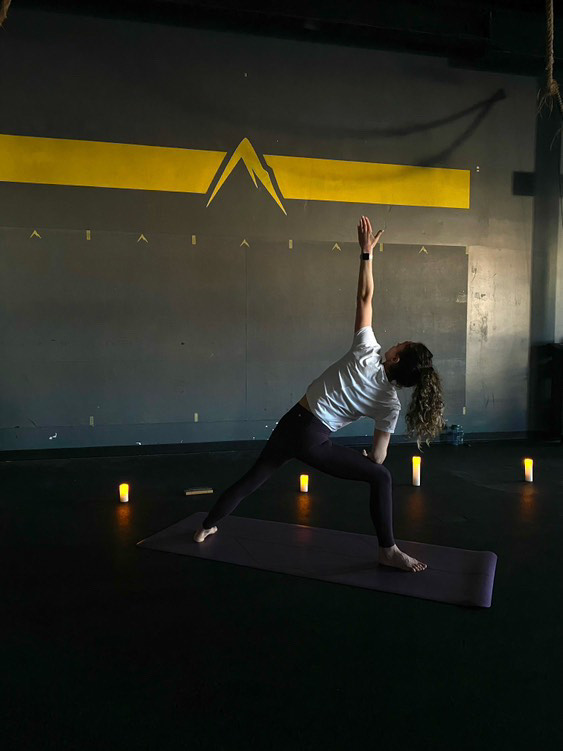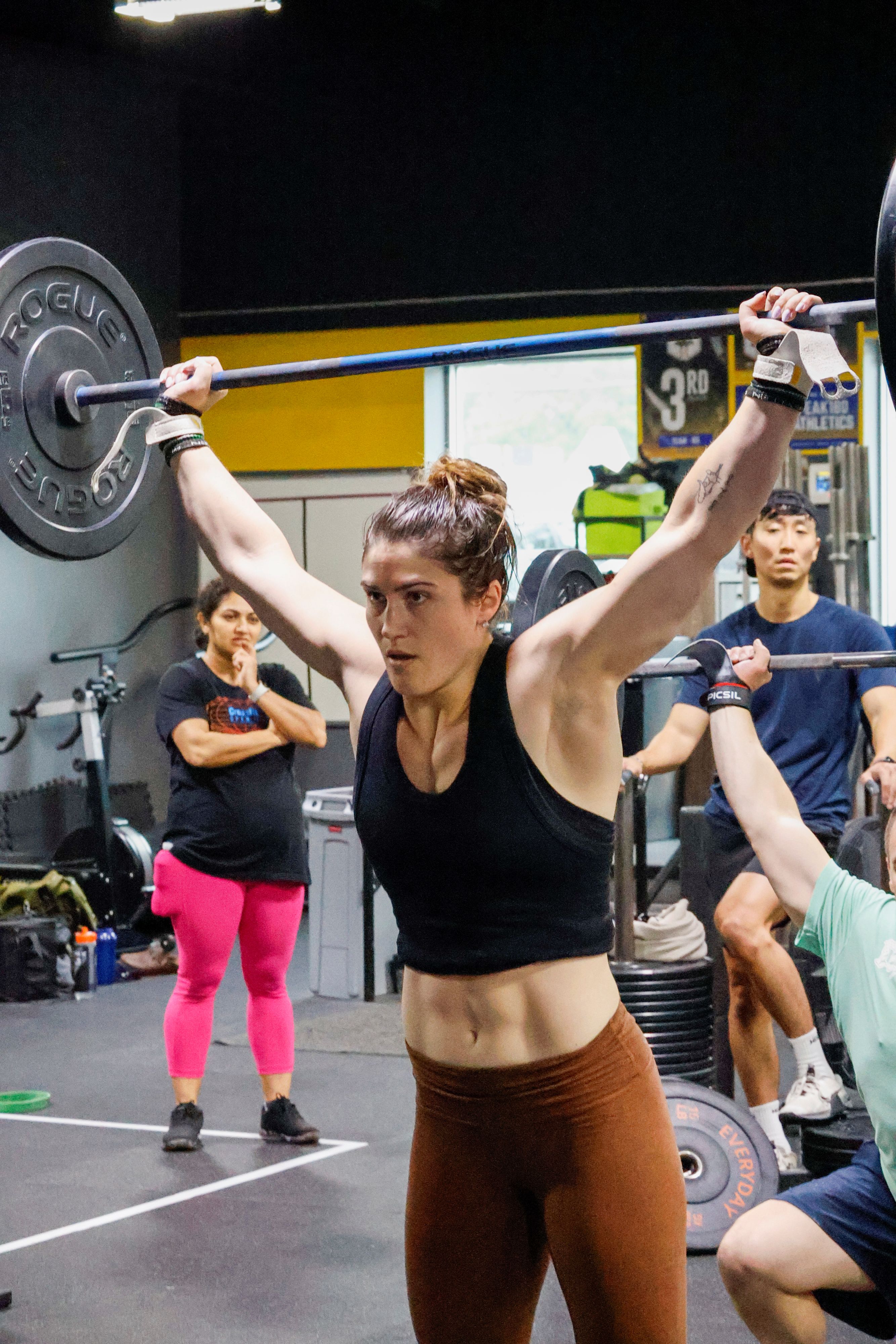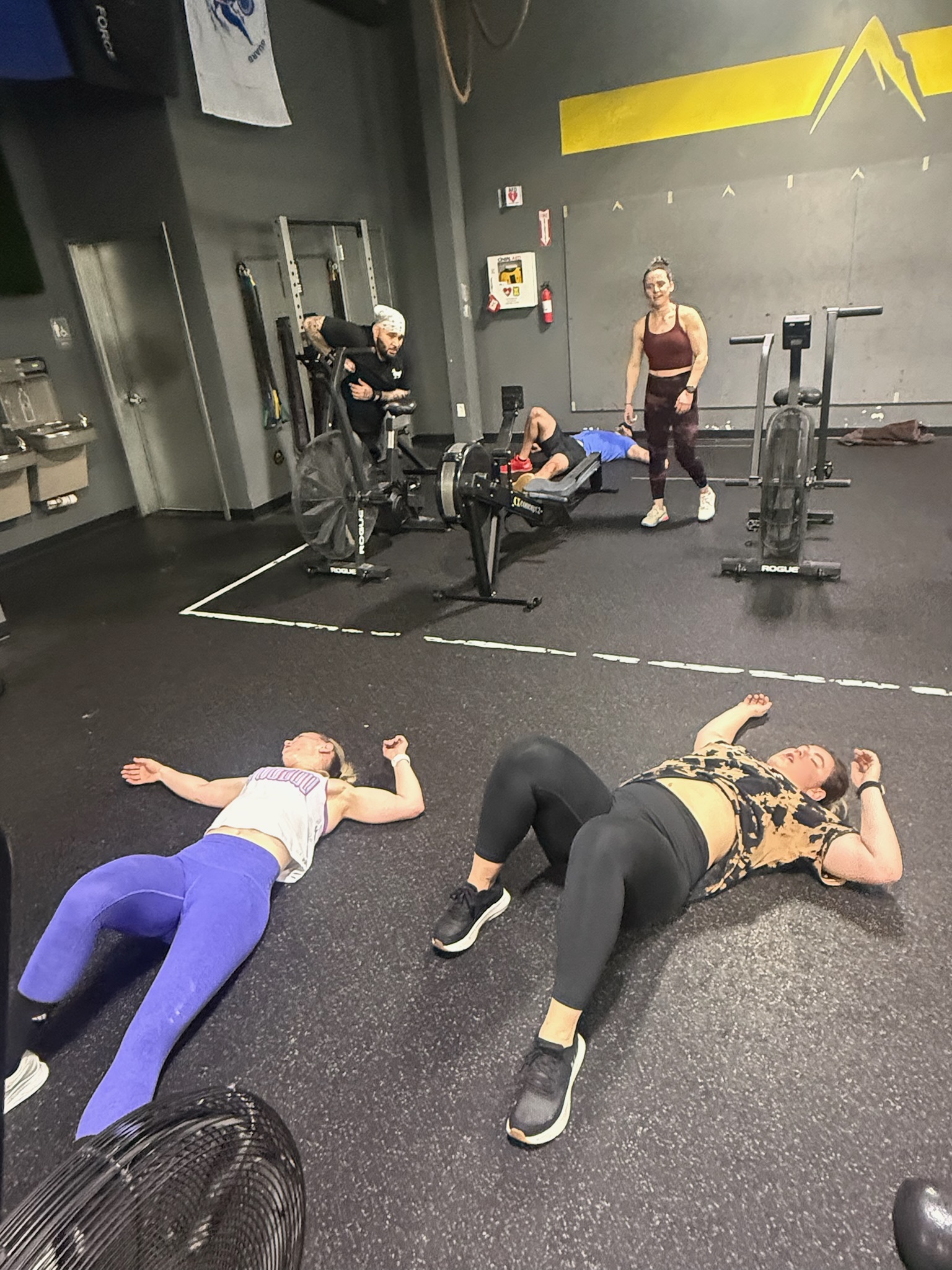

At Peak 180 Athletics, we see it all the time—athletes who walk through our doors fired up to make a change. Whether it’s the drive to improve health, push personal limits, or transform their lifestyle, our members show up ready to work. Effort, intensity, and commitment are never lacking. But there’s one essential ingredient that many overlook: REST.
CrossFit’s culture of intensity often makes athletes believe that more training equals more progress. But without proper rest, the exact opposite can happen. Growth doesn’t occur inside the gym—it happens after. The workouts break down tissue, deplete energy stores, and stress the system. Recovery is where the magic happens: muscles rebuild, connective tissue strengthens, red blood cells regenerate, and your body adapts to the work you’ve put in.
Some will swear by “3 days on, 1 day off” or “5 days on, 2 days off.” But the truth is, there is no one-size-fits-all rest schedule. Each athlete is unique and brings different factors into play:
On top of that, CrossFit’s constantly varied nature means workouts—and the resulting soreness or fatigue—change daily. One week, you might feel fantastic on a Wednesday; the next, you could feel wiped out. This is why strict rest schedules don’t work for everyone.
As coaches, our role is two-fold:
Ultimately, our goal is to build athletes who can listen to and interpret their own bodies. Recovery is personal. Teach your athletes that it’s better to “choose rest before rest chooses them.” Sluggishness, excessive soreness, and mental burnout are all signs that the body needs a break. Giving themselves permission to rest is what will allow intensity—and results—to come roaring back.
At Peak 180, we’re committed to helping our members make smart, sustainable progress. Whether that means dialing up the intensity or stepping back to recover, we’re here to guide you.
Have questions about how to better manage your rest and recovery? Ask a coach today!