
At Peak 180 Athletics, we know how frustrating it can be to deal with an injury—especially when you’ve put in months or even years building your fitness. Whether you’re a seasoned athlete or just getting started on your fitness journey, we want to make sure an injury doesn’t become a roadblock that takes you out of the gym and away from the incredible progress you’ve made.
The truth is, “just rest” is rarely the best advice following an injury. While CrossFit isn’t more dangerous than other fitness activities, injuries can still happen. The key is knowing how to stay active safely, minimize fitness loss, and avoid the long-term effects of inactivity.
Here are proven strategies to help you stay in the game while your body heals.
One of the easiest ways to train around an injury is to modify your movement patterns. For example, adjusting your squat variation can make a world of difference. If you’re dealing with hip pain, switching from back squats to front squats might reduce discomfort thanks to the more upright torso position.
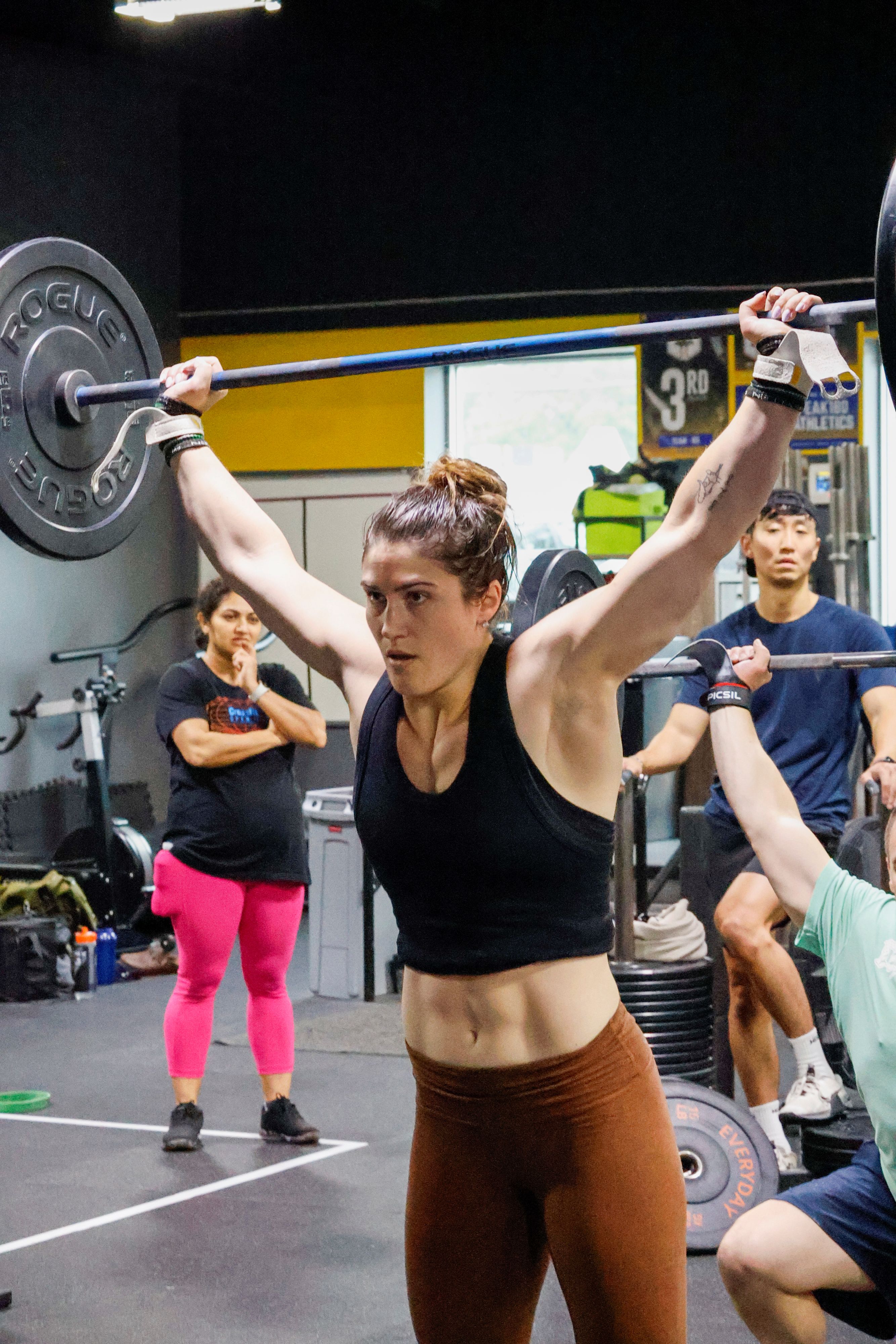
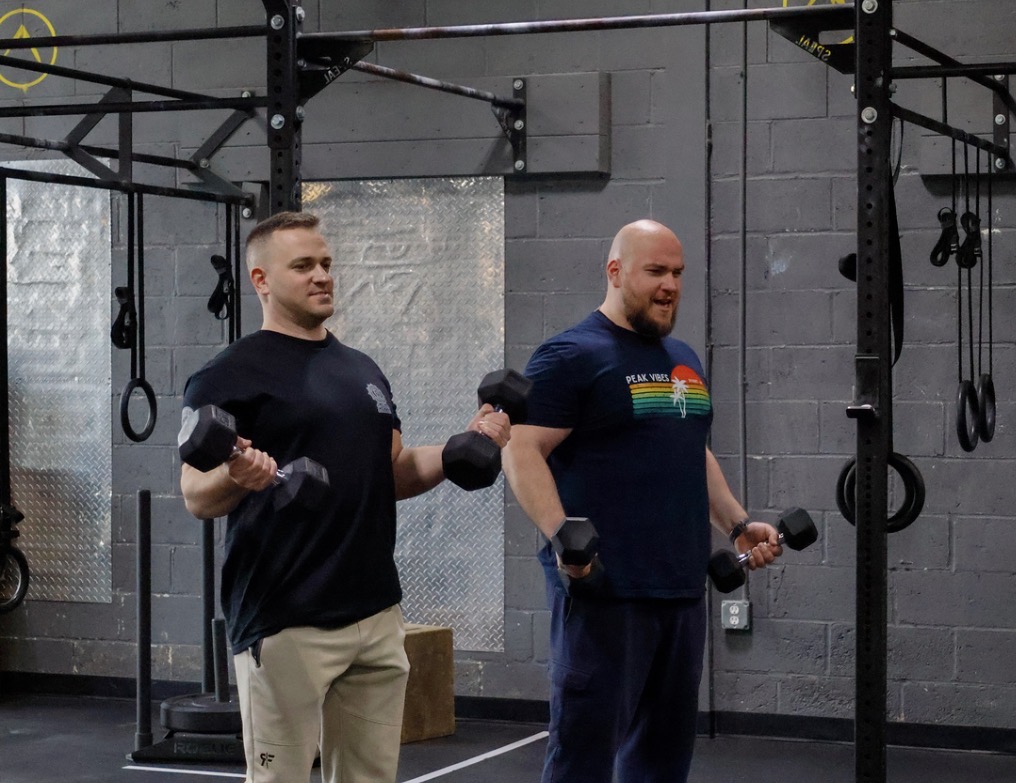
You can also change up your equipment. Using dumbbells or kettlebells instead of a barbell often provides greater flexibility and helps you find pain-free ranges of motion. For example, dumbbells during an overhead press can let you adjust your hand and arm position in a way that feels better for you.
While full range of motion is ideal when healthy, limiting your range of motion during injury can help you avoid painful positions while still making gains. Instead of a full bench press, try a floor press to reduce shoulder strain by eliminating the bottom range.
If you experience pain during the top of an overhead press, swap it for a landmine press to continue training vertical pressing patterns in a safer and more comfortable way.
If lifting heavy isn’t possible right now, you can slow down your tempo to increase intensity with lighter weights. This approach challenges your muscles, sharpens your technique, and can help you find small adjustments that make movements more comfortable.
Keep in mind, this strategy is more effective for strength training than conditioning workouts. Be sure to work with your Peak 180 coaches to modify met-cons as needed.
For more severe injuries, you may need to get creative and apply additional strategies:
If a specific muscle or joint needs full rest, focus on strengthening surrounding muscles.
Even if you can’t load the injured area, you can keep your cardiovascular fitness strong. Metabolic conditioning is the foundation of fitness, so hop on the rower, bike erg, or air bike to stay active.
Example Workouts:
If you can’t use one limb at all, research shows that training the uninjured side may help preserve strength on the injured side. This is due to neural adaptations—your nervous system stays engaged and ready to bounce back faster when you’re fully recovered.
At Peak 180, we believe in “using the gym, not leaving the gym.” Injuries are a part of the process, but they don’t have to halt your progress. By implementing these strategies and working closely with our coaching staff, you can stay active, protect your gains, and continue moving toward your goals—even while recovering.
If you’re dealing with an injury, don’t hesitate to reach out to your coaches. We’re here to help you stay strong, safe, and consistent.
See you in the gym,
Peak 180 Athletics Team