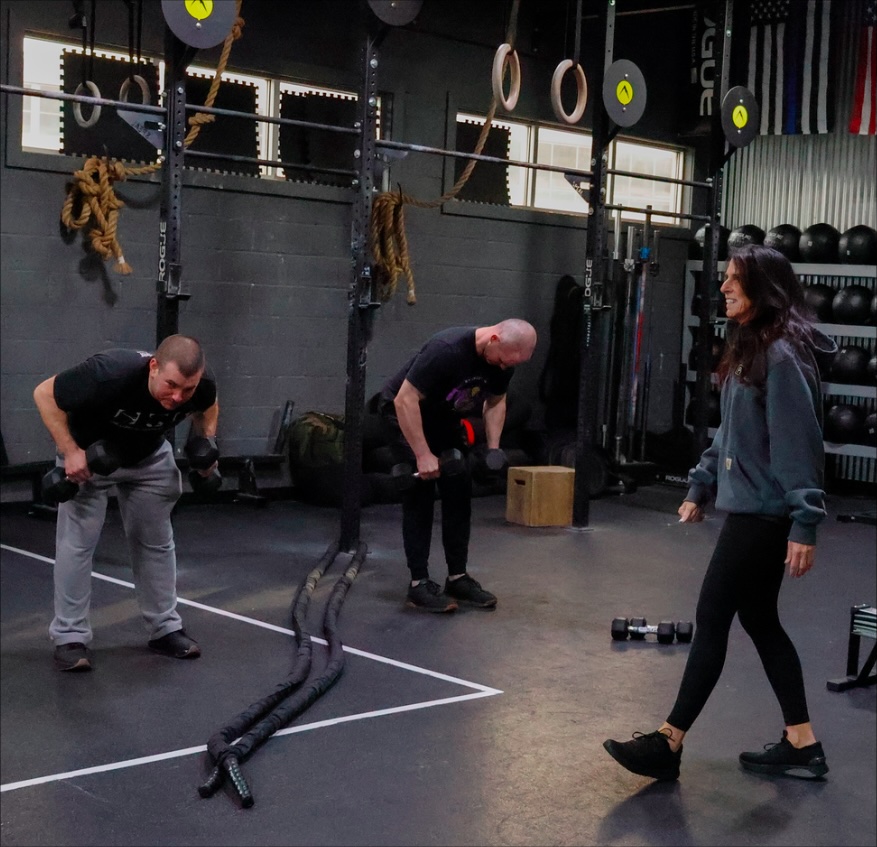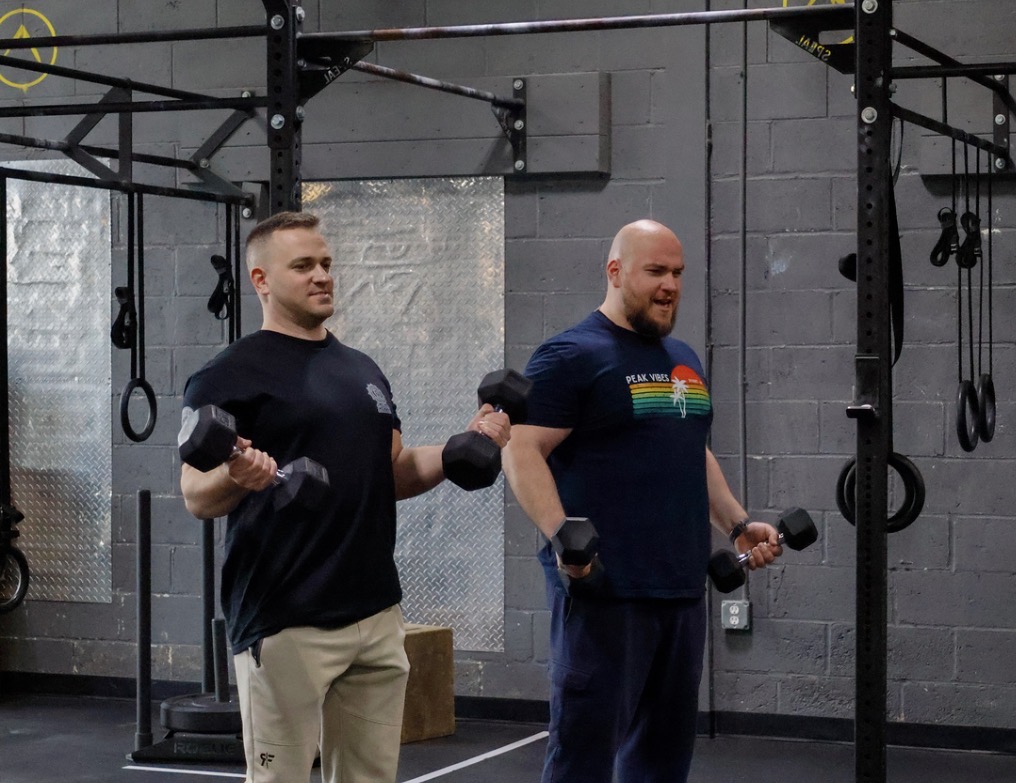

We all know the feeling: you walk into the gym on a chilly day, muscles are tight, joints feel stiff, and motivation is a little harder to find. That’s exactly why your warm-up is one of the most important parts of your training—especially during colder months.
A good warm-up isn’t just about “breaking a sweat.” It’s about preparing your body and mind for the work ahead. Here’s what happens when you take your warm-up seriously:
1. Increases Blood Flow & Circulation
Warming up raises your body temperature, gets blood flowing to your muscles, and helps joints loosen up—reducing the risk of strains or tweaks.
2. Prepares Muscles & Joints for Movement
Cold, stiff muscles don’t move well. A proper warm-up primes your body for better range of motion and smoother movement patterns.
3. Activates the Right Muscles
A thoughtful warm-up is specific to the workout. If you’re squatting, you need to activate your glutes, hips, and core. If you’re pressing, your shoulders and upper back need attention. This ensures the right muscles fire when it matters most.
4. Boosts Performance
When your body is prepared, you move more efficiently, lift heavier, and sustain intensity longer. Skipping the warm-up means leaving performance on the table.
5. Builds Longevity
Taking care of your body now helps you train consistently for years to come. Warm-ups aren’t just about today—they’re about protecting your future self.
During the winter, your body takes longer to loosen up. That means warm-ups become even more important. Instead of rushing through or skipping them, take the time to:
Remember: your warm-up should match the demands of the workout. Think of it as the bridge between your daily life and peak performance. Take the time to do it right, and your training will feel better, your results will improve, and your body will thank you.
👉 As the temperature drops, commit to moving smarter. Show up a few minutes early, follow your coach’s guidance, and make your warm-up as much a priority as the workout itself. Better prep = better performance.